Cancer
Cancer
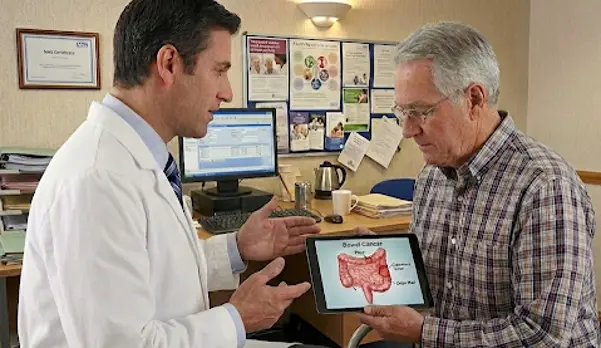
Early Cancer Detection in Primary Care: The timely and accurate diagnosis of cancer remains a cornerstone of successful treatment and improved patient survival. In a primary care setting, where the vast majority of initial patient interactions occur, general practitioners (GPs) face the significant challenge of differentiating subtle, non-specific early cancer symptoms from common, benign ailments. Delays in referral or investigation can critically impact patient outcomes. Current diagnostic pathways often lack the sophisticated tools to systematically evaluate the complex interplay of subtle risk factors and early warning signs presented by patients. We develope AI models to support GPs in two crucial areas: (1) Timely Referral - Enabling GPs to make quicker, more confident decisions regarding specialist referral for further investigation (e.g., endoscopy, diagnostic imaging); (2) Appropriate Investigation - Guiding the GP toward ordering the most relevant initial investigations within the primary care setting, reducing unnecessary testing for low-risk patients while expediting care for those at high risk.
Gastrointestinal (GI) cancer: Our AI models are developed using a cohort of over 3.4 million case–control patients from UK primary care, sourced via the QResearch database. These models support the early detection of GI cancers, a group of malignancies that often present with non-specific symptoms in their early stages. By analysing longitudinal patient data, including demographics, clinical history, diagnostic tests, and symptom trajectories, our approach identifies subtle, previously unrecognised risk patterns that precede a formal cancer diagnosis. This proactive strategy moves beyond traditional risk stratification to deliver real-time, personalised risk assessment at the point of care.